Physical Address
304 North Cardinal St.
Dorchester Center, MA 02124
Physical Address
304 North Cardinal St.
Dorchester Center, MA 02124

New Delhi [India], July 7: “We will work towards One Nation, One Election.” With this powerful statement, Prime Minister Narendra Modi has sparked a vital conversation that could redefine India’s democratic structure and development path. The idea isn’t just about efficiency — it’s about transforming how India governs, votes, and progresses as one unified nation.
What is One Nation, One Election?
The concept of One Nation, One Election means synchronizing Lok Sabha and all state assembly elections across the country — conducting them together, once every five years. Currently, India holds elections in a staggered manner, which leads to frequent policy pauses and constant political churn.
In PM Narendra Modi’s Perspective:
Prime Minister Narendra Modi sees this as a game-changing reform that will strengthen democracy, improve governance, and conserve national resources. In his vision:
Every time a new election is held, development gets delayed due to the Model Code of Conduct. Policies come to a halt, and new laws get stuck in political uncertainty. If all elections are conducted together, it will remove these roadblocks and ensure smooth, steady growth.
According to Modi, this change will:
Former Magistrate Narendra Malhotra’s Take:
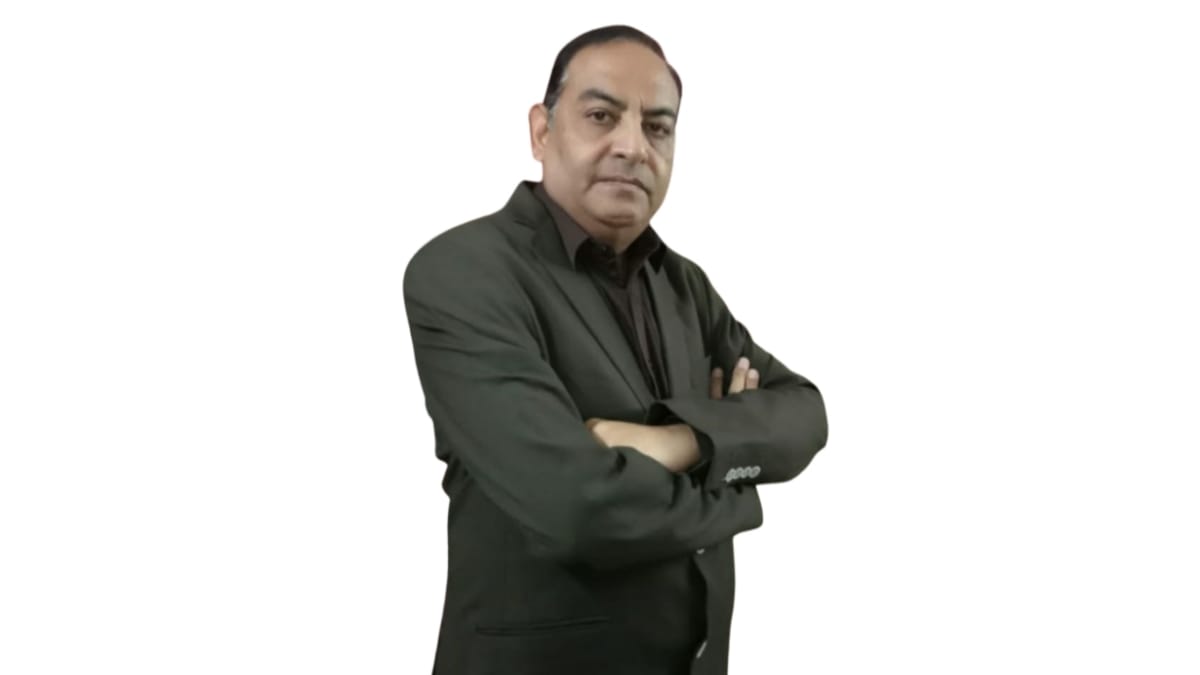
Adding to the national dialogue, Narendra Malhotra, former magistrate of the Government of Haryana, shared his thoughts on the proposal. He supports the vision laid out by PM Modi and believes that:
“India can’t afford to halt governance every few months just for electoral processes. One Nation, One Election will bring discipline in administration, consistency in policy, and reduce the over-politicization of every issue. It is a practical step towards a more development-oriented governance model.”
His experience in civil administration brings a valuable ground-level perspective to this ambitious reform.
Economic and Administrative Benefits:
Election expenditures run into thousands of crores. Synchronizing elections will significantly reduce this financial burden on taxpayers.
A single election cycle will likely improve voter turnout and awareness, avoiding election fatigue.
Fast-Tracking India’s Growth:
Allow ministries and state bodies to focus on long-term plans without interruption
It creates a favorable climate for investment, innovation, and inclusive development.
Is India Ready for This?
India has followed this model before — in 1952, 1957, 1962, and 1967, Lok Sabha and state elections were held together. So the concept is not new.
To bring it back, the country will require:
Ensuring voters can differentiate between national and state-level issues during a joint election
These challenges are real, but with political will and national interest, they are not impossible to overcome.
‘One Nation, One Election’ is more than a reform — it’s a roadmap to better governance, faster development, and deeper democracy. With experienced voices like Narendra Malhotra backing the idea, and PM Modi’s unwavering vision, the country is witnessing the rise of a movement that could redefine Indian politics.
If implemented wisely, this model could transform India’s election-heavy governance into a mission-focused, policy-driven future.
Disclaimer: The views and opinions expressed in this article are those of the individuals and political entities quoted and do not necessarily reflect the official policy or position of our publication. We strive to present all political news in a fair and unbiased manner. Readers are encouraged to form their own judgments and verify information independently. This article is provided for informational purposes only and does not constitute an endorsement of any political party, candidate, or viewpoint.
If you object to the content of this press release, please notify us at [email protected]. We will respond and rectify the situation within 24 hours.