Physical Address
304 North Cardinal St.
Dorchester Center, MA 02124
Physical Address
304 North Cardinal St.
Dorchester Center, MA 02124

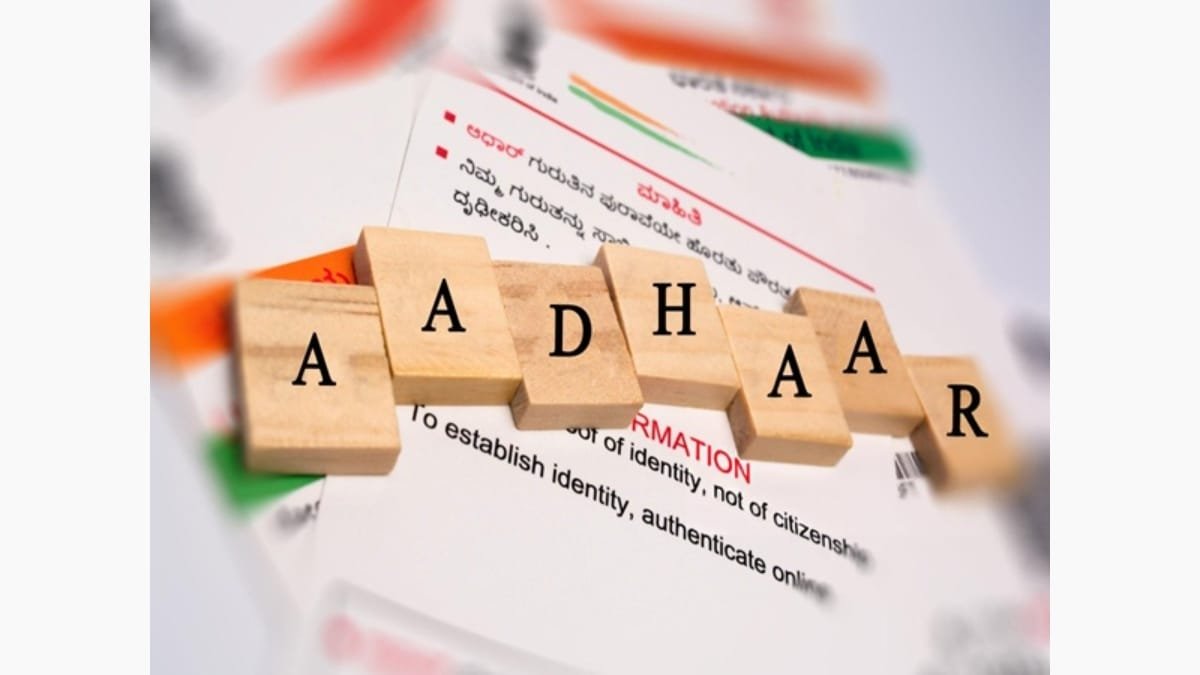
New Delhi [India], May 13: In today’s digital India, Aadhaar has emerged as the cornerstone of identity verification across government services, financial institutions, and businesses. This 12-digit unique identification number, issued by the Unique Identification Authority of India (UIDAI), has revolutionized how Indians establish their identity, access services, and complete essential transactions. In this comprehensive guide, we explore the nuances of Aadhaar verification, its importance, methods, security considerations, and how it integrates with other verification systems like Udyam verification.
Aadhaar verification is the process of authenticating an individual’s identity using their Aadhaar number and associated demographic or biometric information. Since its inception, Aadhaar has grown from a simple identification tool to becoming India’s most trusted identity verification system, with over 1.3 billion enrollments.
This verification system functions as a critical enabler for:
The strength of Aadhaar verification lies in its ability to provide instant, paperless, and presence-less verification, reducing bureaucratic hurdles and minimizing fraud through its robust authentication mechanisms.
Aadhaar offers multiple verification methods to accommodate different needs and technological contexts:
1. Biometric Authentication: The most secure verification method uses fingerprints, iris scans, or facial recognition to confirm identity. This method requires specialized devices but offers the highest level of security.
2. One-Time Password (OTP) Verification: A common method that sends a temporary passcode to the registered mobile number. Simple yet effective, this method is widely used for online verifications.
3. Demographic Authentication: Verifies identity by matching demographic details like name, date of birth, and address with the Aadhaar database. This method is often used as a preliminary verification step.
4. QR Code Verification: Utilizes the QR code printed on Aadhaar cards to verify identity offline using the UIDAI’s secure QR code reader app.
5. Virtual ID (VID): A 16-digit temporary, revocable ID that can be used in place of the Aadhaar number for verification purposes, enhancing privacy protection.
6. Aadhaar Paperless Offline e-KYC: Allows users to download an encrypted XML file from the UIDAI website that can be shared with service providers for verification without revealing the Aadhaar number.
The Aadhaar verification system operates within a robust legal framework established by the Aadhaar Act of 2016 and subsequent amendments. Key legal aspects include:
As with any national identification system, Aadhaar verification raises important security and privacy considerations:
Data Protection Measures
UIDAI employs end-to-end encryption, secured data vaults, and access controls to protect Aadhaar data. The central database, known as the Central Identities Data Repository (CIDR), operates with multiple security layers.
Recent enhancements include:
Aadhaar verification requires explicit user consent, and individuals have the right to know what information is being accessed and for what purpose.
An important intersection exists between Aadhaar verification and Udyam verification for India’s micro, small, and medium enterprises (MSMEs). Udyam verification, the registration process for MSMEs under the Ministry of Micro, Small and Medium Enterprises, relies on Aadhaar authentication as a foundational step in the registration process.
When entrepreneurs apply for Udyam registration, they must first verify their identity using their Aadhaar number. This integration demonstrates how Aadhaar serves as the underlying identity infrastructure supporting other governmental verification systems and facilitating business formalization in India.
The Udyam verification process benefits from Aadhaar’s robust authentication infrastructure, ensuring that only legitimate business owners can register their enterprises and access government benefits designed for MSMEs.
To maximize security and efficiency when implementing or using Aadhaar verification:
As technology evolves, Aadhaar verification continues to advance. Emerging trends include:
Despite its advantages, Aadhaar verification faces several challenges:
Aadhaar verification represents a technological leap in identity management, creating a framework that balances convenience with security. As it continues to evolve, this system stands as a testament to India’s digital transformation journey.
Whether you’re an individual navigating daily transactions, a business streamlining KYC processes, or an entrepreneur pursuing Udyam verification for your MSME, understanding Aadhaar verification empowers you to leverage India’s digital identity ecosystem effectively.
By embracing secure verification practices and staying informed about enhancements to the system, all stakeholders can contribute to realizing the full potential of Aadhaar as a foundational element of Digital India.
If you have any objection to this press release content, kindly contact [email protected] to notify us. We will respond and rectify the situation in the next 24 hours.