Physical Address
304 North Cardinal St.
Dorchester Center, MA 02124
Physical Address
304 North Cardinal St.
Dorchester Center, MA 02124

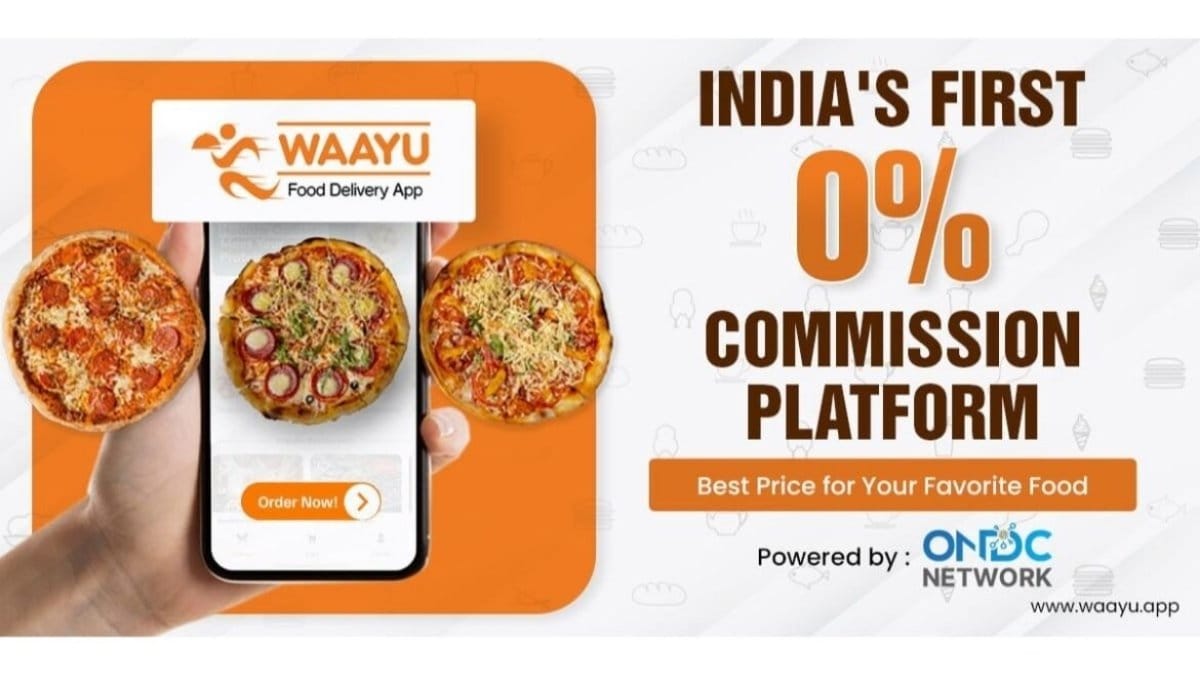
New Delhi [India], June 16: Prior to the COVID-19 pandemic, India’s restaurant industry was an emerging industry in India’s informal and formal economy. It had a value of ₹4.2 trillion as of 2019 (per the National Restaurant Association of India), from large chains to tiny family restaurants. In-house consumption accounted for the majority of revenues, with a very small percentage being earned through online ordering platforms. While third-party aggregators were building momentum, restaurants still had price, customer relations, and branding control.
The pandemic hastened a digital transition. With dining out prohibited, food delivery turned into a need, and restaurants had to expand their business using digital aggregators to survive.
Challenges – Margin Pressure, Platform Dependency, and Data Gaps
This shift, though ultimately positive, came along with a series of structural problems, particularly for small and medium-sized enterprises. The delivery sites charge commissions between 20% and 35% on each order. Because average margins within the business lean under 10%, these commissions imposed severe fiscal burdens. While digital platforms offered access to consumers, they introduced structural constraints, especially for small and mid-sized restaurants.
Effect – For most small restaurants, these charges made them suffer losses or quality and personnel compromises.
Effect – Smaller stores cannot compete and cannot establish direct connections with shoppers.
Effect – Long-term shopper loyalty is redirected towards the aggregator rather than the restaurant.
Waayu – An Alternate Model with Emphasis on Control and Transparency
Waayu here was a platform providing restaurants with an alternative business model.
Process: Onboarding and Technical Support
One of the factors that are driving adoption is ease of onboarding. The platform is such that it can support restaurants that have differing levels of digital maturity:
India’s food service industry is still growing, with digital media still playing an important role in consumerism post-pandemic. Issues brought about by commission-based platforms and limited access to data are now being addressed as part of the larger discussion on platform fairness and economic viability for small businesses. Models such as Waayu’s presage a turn toward alternative digital infrastructures, ones that seek to realign control and revenue in the direction of local establishments. Not a magic bullet, certainly, these models give restaurant owners greater control over their business, data, and customer experience.
With a mature market, the promise of having many different platforms, each with some specific trade-off, can translate to a diversified, more stable restaurant industry. Long-term fate will hinge on how these models can scale, the way they catch on with various segments and geography, and whether they can adapt to the changing demands of restaurateurs as well as customers.
For more information, please visit: https://waayu.app/
If you have any objection to this press release content, kindly contact [email protected] to notify us. We will respond and rectify the situation in the next 24 hours.